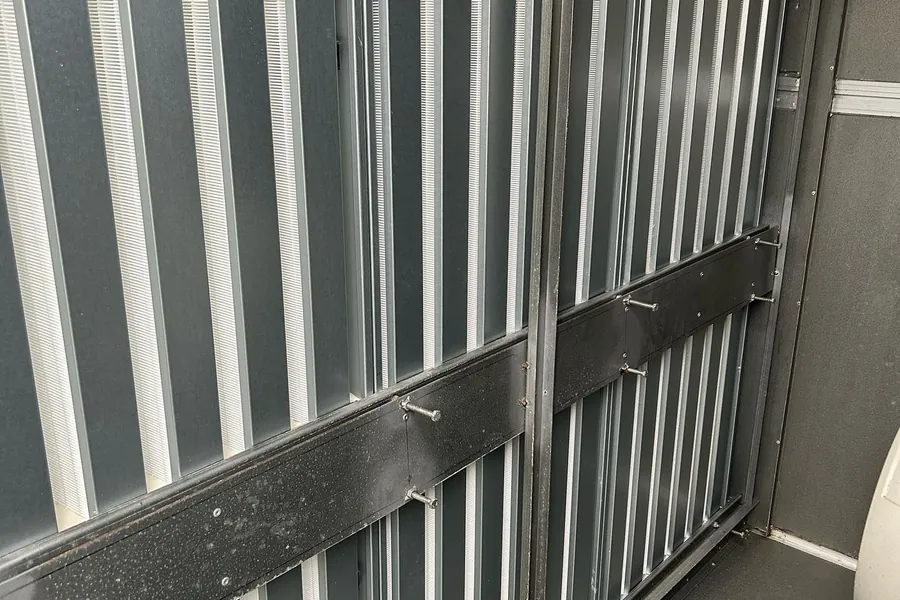
It is removed from the exterior, after which the duct behind it needs cleaning because lint accumulates behind any blockage. The lasting fix is a metal vent hood with a working damper flap.
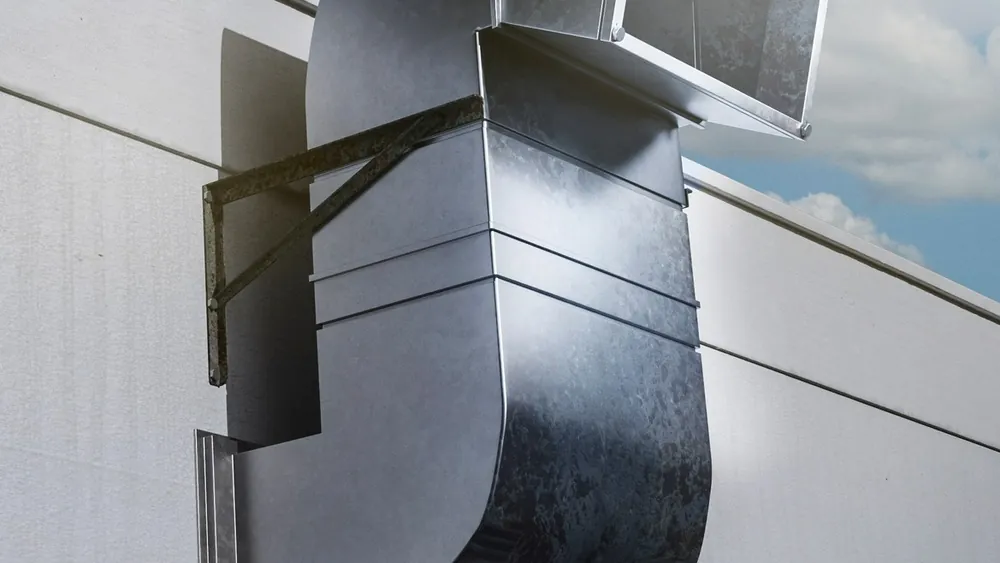
Published · Updated · by Dryer Vent Cleaning For You
Every April the calls start. Here is why dryer vents are such attractive nesting sites, and why screening them is the wrong fix.
From about April through midsummer, a reliable share of our calls are some version of the same thing: the dryer has stopped drying, and there is chirping coming from the wall. European starlings and house sparrows nest in cavities, and a dryer vent is a warm, sheltered, predator-proof cavity with a convenient landing platform.
How you know it is a nest and not just lint
- Sound — chirping or scratching from the duct or the wall, most obvious early in the morning
- The dryer stops drying almost overnight rather than declining gradually, which is what lint does
- Twigs, straw or feathers visible at or below the exterior hood
- The damper flap is propped open, or missing entirely
- Birds repeatedly landing at the same spot on the wall
The overnight onset is the tell. Lint accumulation is gradual and you barely notice it happening. A nest is built in a few days and the drop in performance is abrupt.
Why it matters beyond the inconvenience
A nest blocks the duct completely, which means the dryer is exhausting into a dead end. Heat and moisture back up into the laundry room, drying times go through the roof, and lint accumulates rapidly behind the blockage because nothing is carrying it out. Nesting material itself is dry, fibrous and sitting in the exhaust path of a heat source.
The legal bit
Most native North American birds are protected under the Migratory Bird Treaty Act, and an active nest with eggs or chicks cannot simply be removed. House sparrows and European starlings are non-native and not covered, which is fortunate because they are the two species we find most often. If we do find an active protected nest, we will tell you what your options are and schedule the removal for the right time rather than guessing.
Why screening the vent does not work
This is the most common mistake, and it is an understandable one. Fitting a fine mesh screen over the vent keeps birds out — and catches lint, which is precisely what the vent exists to expel. Within a few months the screen is matted shut and you have swapped a spring problem for a year-round one.
The fix is not a screen. It is a metal hood with a damper flap that closes properly under its own weight when the dryer is off.
What we actually do
- Remove the nest and everything behind it from the exterior
- Brush and vacuum the full duct run, because lint has been accumulating behind the blockage
- Put a camera down the run so you can see it is genuinely clear end to end
- Replace the hood with a metal one whose damper closes — this is the part that stops it recurring
- Sanitise the duct if there is nesting debris or odour left behind
See bird nest and blockage removal for the full service, or the before-and-after camera footage from a recent job.
Timing
If your hood is damaged or the flap no longer closes, the time to replace it is late March — before nesting season starts. It is a small job in March and a much larger one in May.
Hearing something in the wall? Call us and we will tell you over the phone whether it sounds like a nest or a lint blockage.
Call (720) 545-5983Request a quoteNeed this done rather than explained?
We are a family owned company in Highlands Ranch serving Littleton, Lone Tree, Centennial, Parker and the rest of the south Denver metro. Estimates over the phone are free.
(720) 545-5983 Request a quoteMore reading
Good Questions
Related Questions
How do I get a bird nest out of my dryer vent?
Will a screen keep birds out of my dryer vent?
It will, and it will also trap lint and create a new blockage. A hood with a properly closing damper is the correct solution.
How often should a dryer vent be cleaned?
For most households, once a year. If you have a large family, pets that shed, or a duct run longer than about 15 feet, plan on every six months. Homes where the dryer vents through the roof also tend to need more frequent service.
What are the signs that my dryer vent is clogged?
Clothes still damp at the end of a normal cycle, drying that needs two or three cycles, a dryer that is hot to the touch, a burning or musty smell, a laundry room that gets hot and humid, lint gathering around the outside vent hood, or a vent flap that no longer opens when the dryer runs.