Nest building usually starts in April and runs through mid-summer, so late March is the ideal time to have a damaged hood replaced.
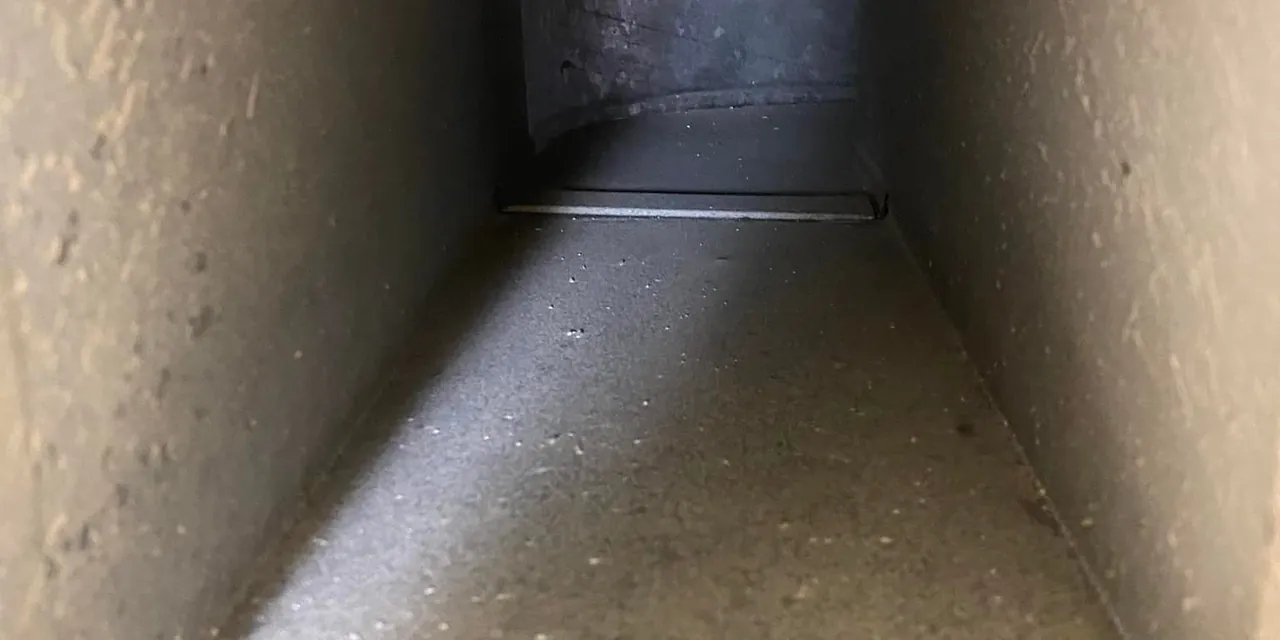
Bird Nest & Dryer Vent Blockage Removal, Highlands Ranch CO
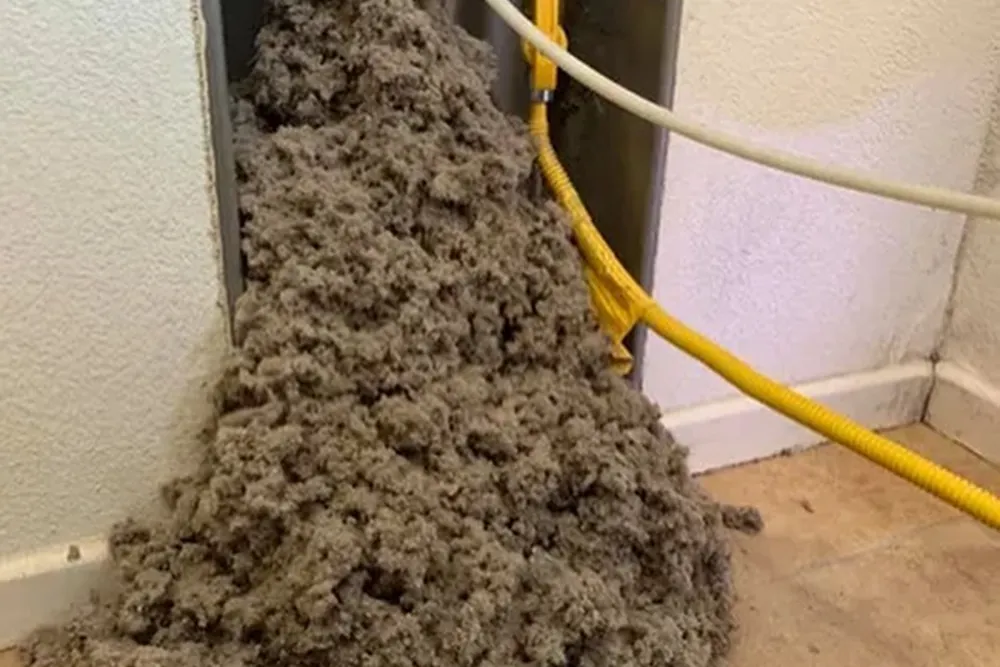
A warm, sheltered dryer vent is prime real estate for starlings and house sparrows every spring along the Front Range. A nest packed into the hood stops airflow completely — the dryer stops drying, the laundry room gets hot and humid, and the duct fills with lint behind the blockage.
We remove the nest and everything behind it, clean the full duct run, and then fix the reason it happened: a hood with a damper that actually closes. Where the vent terminates at height we bring the ladder work with us — no extra trip, no extra trade.


What's included
Nest and debris removal
The blockage is pulled out from the exterior, and the duct behind it is brushed and vacuumed clean.
Camera confirmation
We put a camera down the run afterwards so you can see the duct is genuinely clear end to end.
Damper hood replacement
Most nests get in through a hood whose flap no longer closes. A new hood with a working damper solves it.
Rodent and pest debris
Mice and squirrel nesting material in crawlspace and attic runs cleared and the entry point identified.
Roof-vent access
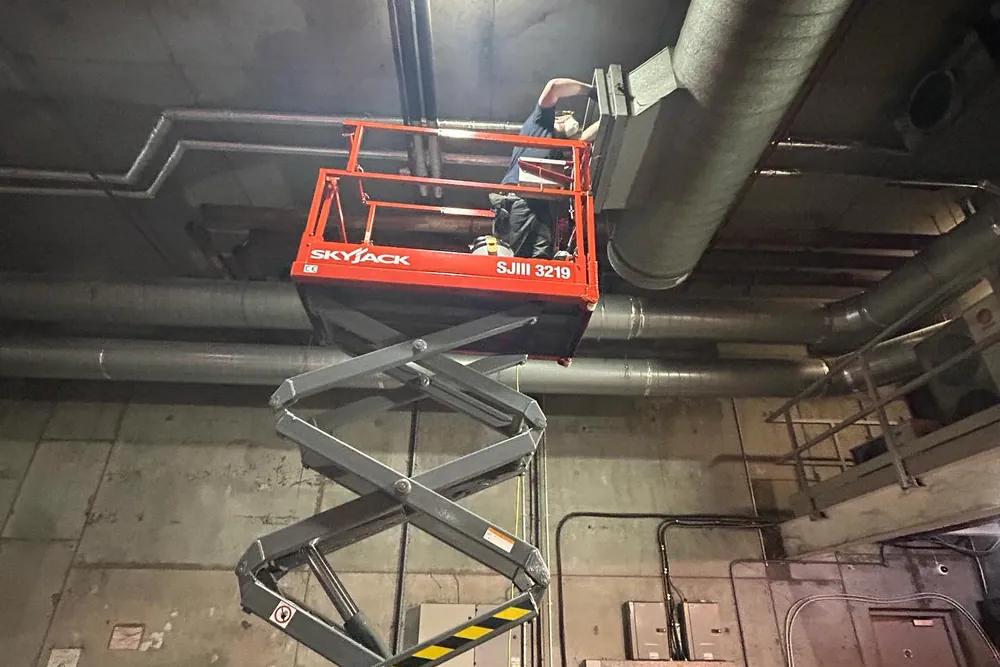
Ladder and roof work included for vents that terminate above the roofline.
Sanitizing on request
Nesting debris can leave odor and droppings behind — we can sanitize the duct after removal.
Book bird nest & blockage removal
Serving Highlands Ranch, Littleton, Lone Tree, Centennial, Parker, Castle Rock and the rest of the south Denver metro. Estimates over the phone are free and the price is agreed before we start.
Call (720) 545-5983 Request a quote onlineGood Questions
Questions About Bird Nest & Blockage Removal
When do birds nest in dryer vents in Colorado?
Do you remove active nests with chicks in them?
We follow federal migratory bird rules. If a nest is active we will tell you what your options are and schedule the removal for the right time.
Will screening the vent stop the problem?
A fine mesh screen traps lint and creates a new blockage. A metal hood with a properly working damper flap is the correct fix.
How often should a dryer vent be cleaned?
For most households, once a year. If you have a large family, pets that shed, or a duct run longer than about 15 feet, plan on every six months. Homes where the dryer vents through the roof also tend to need more frequent service.
What are the signs that my dryer vent is clogged?
Clothes still damp at the end of a normal cycle, drying that needs two or three cycles, a dryer that is hot to the touch, a burning or musty smell, a laundry room that gets hot and humid, lint gathering around the outside vent hood, or a vent flap that no longer opens when the dryer runs.
Why does a clogged dryer vent matter?
Two reasons. Safety first: the U.S. Fire Administration attributes roughly 2,900 residential dryer fires a year, and failure to clean the vent is the leading cause. Second, cost: a restricted vent forces the dryer to run longer on every load, which raises your energy bill and shortens the life of the machine.
Photo Gallery
Recent Work
Real jobs, real ducts, photographed on site. Every image on this site is our own work — no stock photography.